Ken Hunt’s photography
Ken Hunt’s photography When art and spiritual journey intersect
Story & Photos by Juliana Wallace
For Aberdeen photographer Ken Hunt, art represents a spiritual journey. Whether something in a particular scene draws his artist’s eye in some undefinable way or whether one of his photos resonates with a viewer, that critical connection makes all the difference.
“A lot of art is more than the literal,” Hunt, 83, suggested. “It’s the feeling and emotion rather than the literal. It’s how I get my spiritual connection.”
Decades ago, on a trip to New York City, Hunt’s then-teenage son Kenny discovered the power of art when he felt a deep bond with one of Vincent van Gogh’s sunflower paintings. The next day, he asked to go back and see the sunflower again.
“What was it about that painting?” mused Hunt. “We wouldn’t go back to see any real, single sunflower. But that’s what art can do. When you let yourself go, you can see.”
The elder Hunt, a retired physician, has had his own spiritual connections with other artists’ work, and these have informed the evolution of his own art. Photographers like Diane Arbus and Sebastião Salgado shed visibility on the margins of humanity. The work of Paul Strand, Alfred Stieglitz and, of course, Ansel Adams provided a master class in both composition and darkroom technique.
Through the years Hunt, who practiced internal medicine and gastroenterology in Grays Harbor from 1978 to 2010, also attended numerous workshops to refine his art. For instance, a workshop with John Sexton in Aspen, Colorado, underscored an essential lesson that he has taken to heart.
“He told us that if he goes on a weeklong shoot and has one image he reproduces from that, it’s a good week,” recalled Hunt. “I remember that, because I know that feeling. Something clicks.”
In many cases, Hunt will feel that click but not immediately know why. He has learned to trust his instinct.
“What hits me is that there’s something there,” he explained. “Sometimes I’ll just see something and I’m not sure why I’m drawn to it. But I know it’s an image I’m going to print. It’s not until after I work on it a while and think about it (that it becomes clear).”
Finding those connections requires an ability to let go, to be “in the zone,” and that takes time. Through years of practicing meditation, Hunt has grown more proficient at getting out of his head and learning to exist in the moment. Trying not to overthink anything is key, he points out.
That philosophy extends throughout a creative process that involves much more than taking a picture. Hunt works hard to open himself to the images around him waiting to be captured. He stays attuned to light and composition, the mechanics of his camera. But he finds that the most creative part of his art happens in his digital darkroom.
While he recognizes that elements of the silver image created in a traditional darkroom cannot be reproduced in any other way, Hunt has moved to a digital environment. The computer opens the door to endless creative opportunities, allowing him to continue the creative process long after he has taken the photo.
Although Hunt makes it a point not to fundamentally alter an image by adding a mountain or a cloud where one never existed, for instance, he does manipulate his photos.
“I don’t typically clone anything in or anything out, like putting in a nicer sky. I don’t do that. What you see is what you get, even though it’s modified. But I might add texture or color,” he explained.
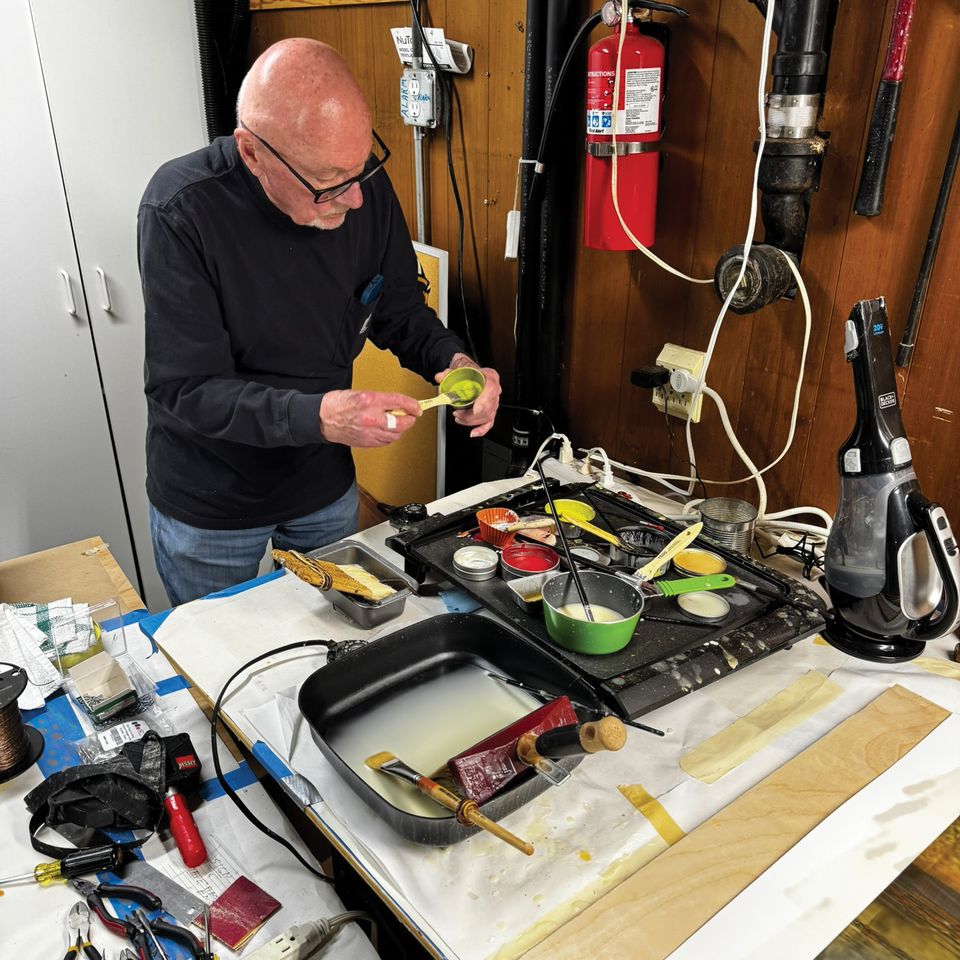
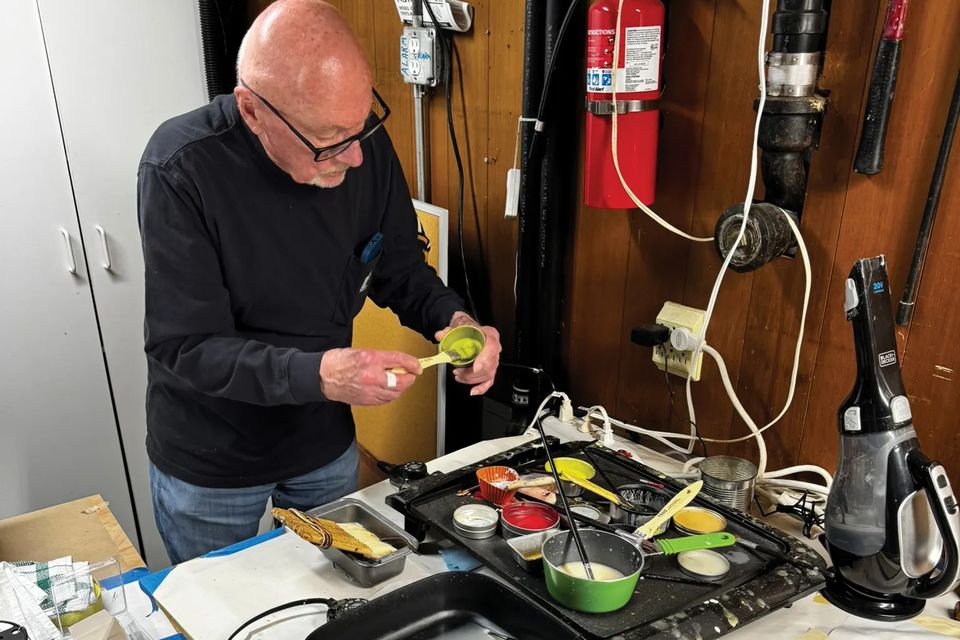
These days, Hunt’s creative process extends beyond the digital darkroom to his basement studio, where he adds layers of wax to his prints to create “encaustic” art, enhancing dimensionality and resulting in an image that gives the feeling of a painting. The encaustic process involves printing a photo on special paper and gluing the image to a wood surface. Hunt then applies layers of melted wax and fuses the wax with a propane torch. Finally, he uses a tacking iron to add texture and depth.
Hunt’s artistic journey began in his childhood and has carried him through schooling in Pennsylvania and Vermont, pursuing a medical career, raising a family, dealing with loss, and traveling the world. Raised in Connecticut in a close family, he began developing his photographer’s eye as a child with an old Kodak Brownie camera.
Then, as a surgical resident at the University of Washington, Hunt took his growing passion to the next level and rented space in a darkroom. But it was after medical residency, when he moved to Aberdeen in 1978 to run the Emergency Room, that he began to look at his hobby as an art. Now, when asked whether he considers himself an artist or physician, Hunt does not hesitate.
“An artist,” he said. “When I was working, I was working. As an adrenaline junkie, I loved working in the ER. And I also liked the more direct, continued patient contact of my private practice. But when I retired, it became clear that art is what I would like to do.”
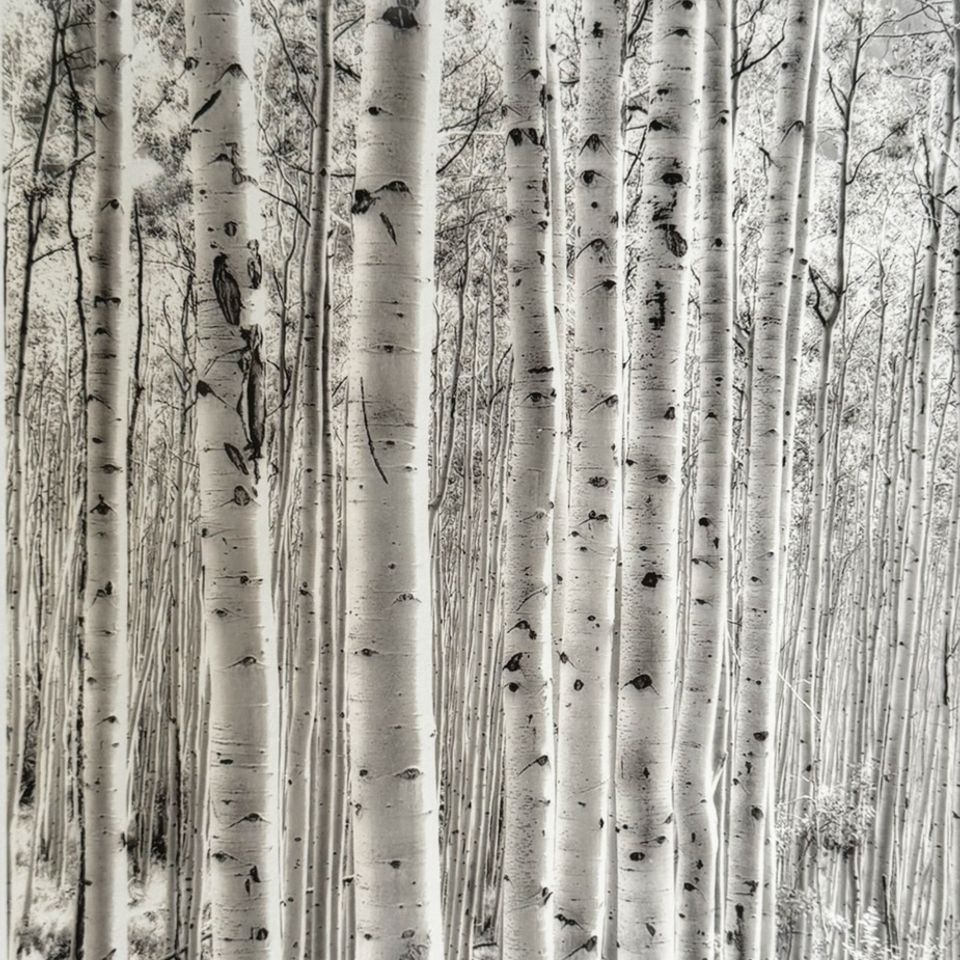
From black-and-white landscape photography to vellum prints, color photography and encaustic, the elements of Hunt’s art have changed over time. But no matter the techniques or the subject matter, the spiritual connection remains key.
“You have to feel connected to what you are doing. It’s so important to be in the moment,” maintained Hunt. “Art helps me focus. It has helped to keep me on track.”
As both an artist and a consumer of art, Hunt recognizes the power of art to help humans experience joy and find their place in the world. Perhaps the physician has found another way to heal souls.
To see or purchase Ken Hunt’s photography or encaustics, visit the Gallery of Ocean Shores, 849 Point Brown Ave. NW.
For Aberdeen photographer Ken Hunt, art represents a spiritual journey. Whether something in a particular scene draws his artist’s eye in some undefinable way or whether one of his photos resonates with a viewer, that critical connection makes all the difference.
“A lot of art is more than the literal,” Hunt, 83, suggested. “It’s the feeling and emotion rather than the literal. It’s how I get my spiritual connection.”
Decades ago, on a trip to New York City, Hunt’s then-teenage son Kenny discovered the power of art when he felt a deep bond with one of Vincent van Gogh’s sunflower paintings. The next day, he asked to go back and see the sunflower again.
“What was it about that painting?” mused Hunt. “We wouldn’t go back to see any real, single sunflower. But that’s what art can do. When you let yourself go, you can see.”
The elder Hunt, a retired physician, has had his own spiritual connections with other artists’ work, and these have informed the evolution of his own art. Photographers like Diane Arbus and Sebastião Salgado shed visibility on the margins of humanity. The work of Paul Strand, Alfred Stieglitz and, of course, Ansel Adams provided a master class in both composition and darkroom technique.
Through the years Hunt, who practiced internal medicine and gastroenterology in Grays Harbor from 1978 to 2010, also attended numerous workshops to refine his art. For instance, a workshop with John Sexton in Aspen, Colorado, underscored an essential lesson that he has taken to heart.
“He told us that if he goes on a weeklong shoot and has one image he reproduces from that, it’s a good week,” recalled Hunt. “I remember that, because I know that feeling. Something clicks.”
In many cases, Hunt will feel that click but not immediately know why. He has learned to trust his instinct.
“What hits me is that there’s something there,” he explained. “Sometimes I’ll just see something and I’m not sure why I’m drawn to it. But I know it’s an image I’m going to print. It’s not until after I work on it a while and think about it (that it becomes clear).”
Finding those connections requires an ability to let go, to be “in the zone,” and that takes time. Through years of practicing meditation, Hunt has grown more proficient at getting out of his head and learning to exist in the moment. Trying not to overthink anything is key, he points out.
That philosophy extends throughout a creative process that involves much more than taking a picture. Hunt works hard to open himself to the images around him waiting to be captured. He stays attuned to light and composition, the mechanics of his camera. But he finds that the most creative part of his art happens in his digital darkroom.
While he recognizes that elements of the silver image created in a traditional darkroom cannot be reproduced in any other way, Hunt has moved to a digital environment. The computer opens the door to endless creative opportunities, allowing him to continue the creative process long after he has taken the photo.
Although Hunt makes it a point not to fundamentally alter an image by adding a mountain or a cloud where one never existed, for instance, he does manipulate his photos.
“I don’t typically clone anything in or anything out, like putting in a nicer sky. I don’t do that. What you see is what you get, even though it’s modified. But I might add texture or color,” he explained.
These days, Hunt’s creative process extends beyond the digital darkroom to his basement studio, where he adds layers of wax to his prints to create “encaustic” art, enhancing dimensionality and resulting in an image that gives the feeling of a painting. The encaustic process involves printing a photo on special paper and gluing the image to a wood surface. Hunt then applies layers of melted wax and fuses the wax with a propane torch. Finally, he uses a tacking iron to add texture and depth.
Hunt’s artistic journey began in his childhood and has carried him through schooling in Pennsylvania and Vermont, pursuing a medical career, raising a family, dealing with loss, and traveling the world. Raised in Connecticut in a close family, he began developing his photographer’s eye as a child with an old Kodak Brownie camera.
Then, as a surgical resident at the University of Washington, Hunt took his growing passion to the next level and rented space in a darkroom. But it was after medical residency, when he moved to Aberdeen in 1978 to run the Emergency Room, that he began to look at his hobby as an art. Now, when asked whether he considers himself an artist or physician, Hunt does not hesitate.
“An artist,” he said. “When I was working, I was working. As an adrenaline junkie, I loved working in the ER. And I also liked the more direct, continued patient contact of my private practice. But when I retired, it became clear that art is what I would like to do.”
From black-and-white landscape photography to vellum prints, color photography and encaustic, the elements of Hunt’s art have changed over time. But no matter the techniques or the subject matter, the spiritual connection remains key.
“You have to feel connected to what you are doing. It’s so important to be in the moment,” maintained Hunt. “Art helps me focus. It has helped to keep me on track.”
As both an artist and a consumer of art, Hunt recognizes the power of art to help humans experience joy and find their place in the world. Perhaps the physician has found another way to heal souls.
To see or purchase Ken Hunt’s photography or encaustics, visit the Gallery of Ocean Shores, 849 Point Brown Ave. NW.